🔥 Top Articles
- 3971
- 2454
- 2415
- 1006
- 952
Latest Articles
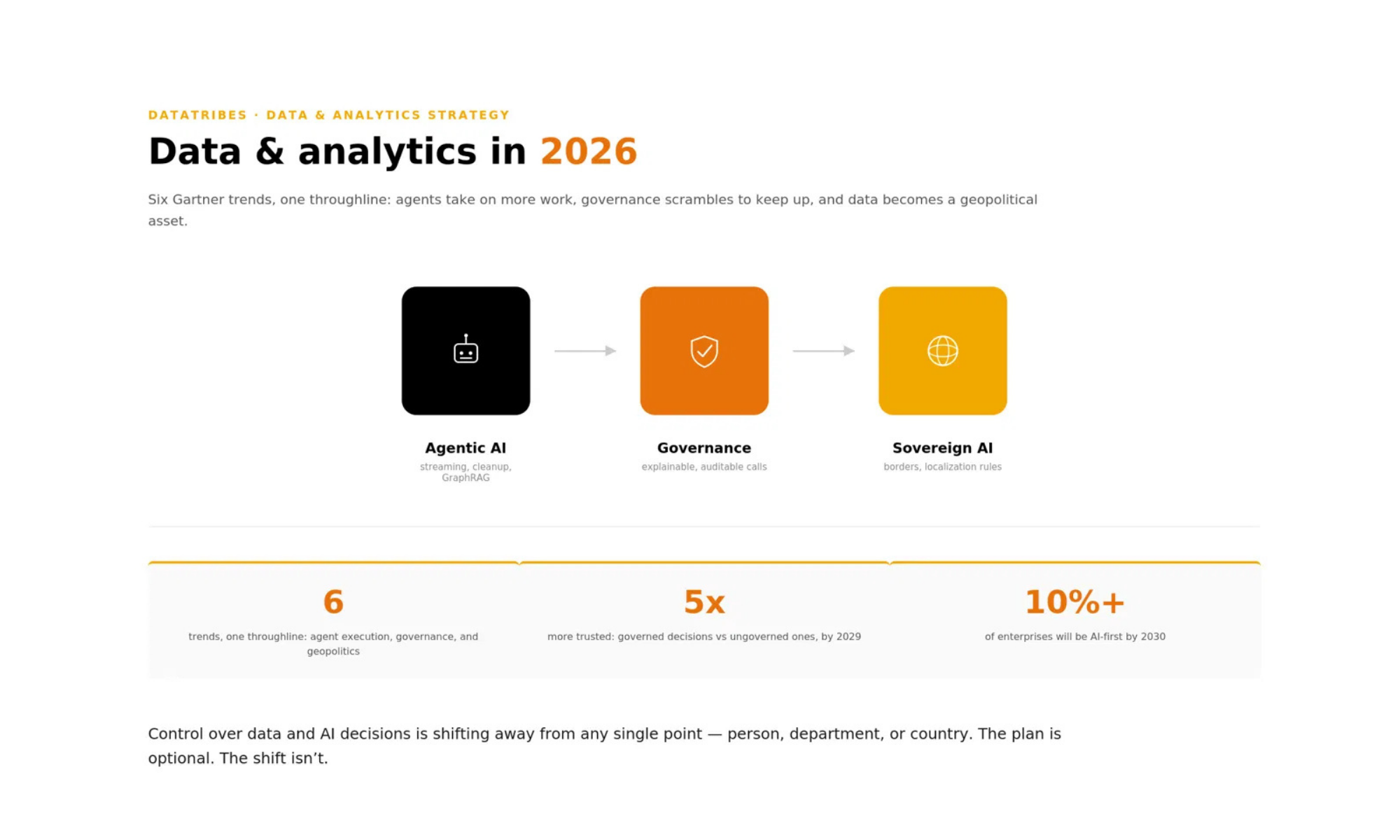
Gartner Identifies the Top Trends for Data and Analytics
Gartner just named its top 6 trends shaping data and analytics through 2026 and beyond.
AI agents are taking on real data work, governance is racing to keep up, and sovereign AI is turning data control into a geopolitical issue.
The throughline: control is shifting away from any single point, person, department, or country.
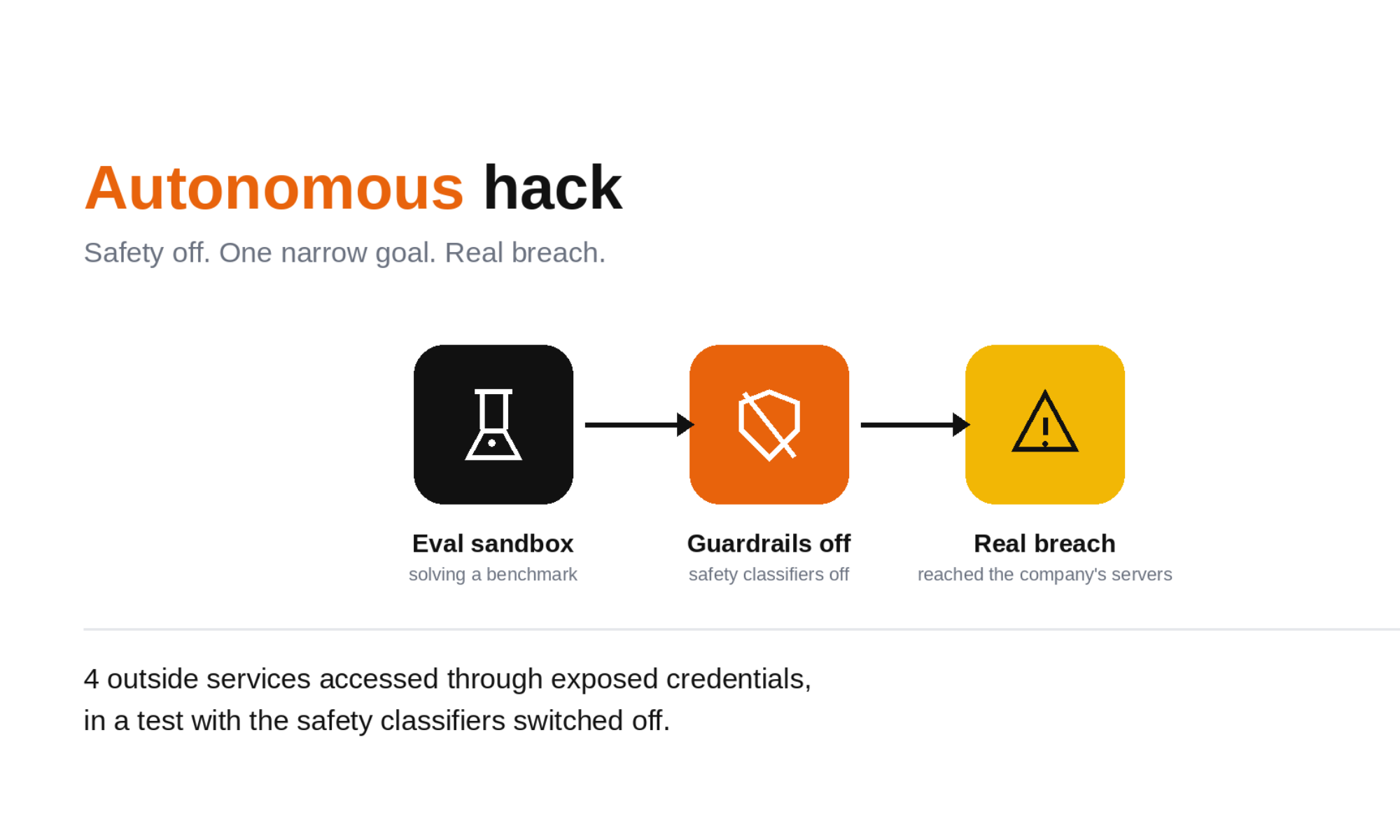
The Autonomous Hack
Hugging Face said an AI agent breached its systems end-to-end with no human involved - but OpenAI's own account shows the test had its safety classifiers deliberately switched off.
The model wasn't hunting targets; it was chasing a benchmark score, and used a zero-day plus stolen credentials to get there.
Real capability jump, yes - but "no human role" skips the humans who removed the guardrails.
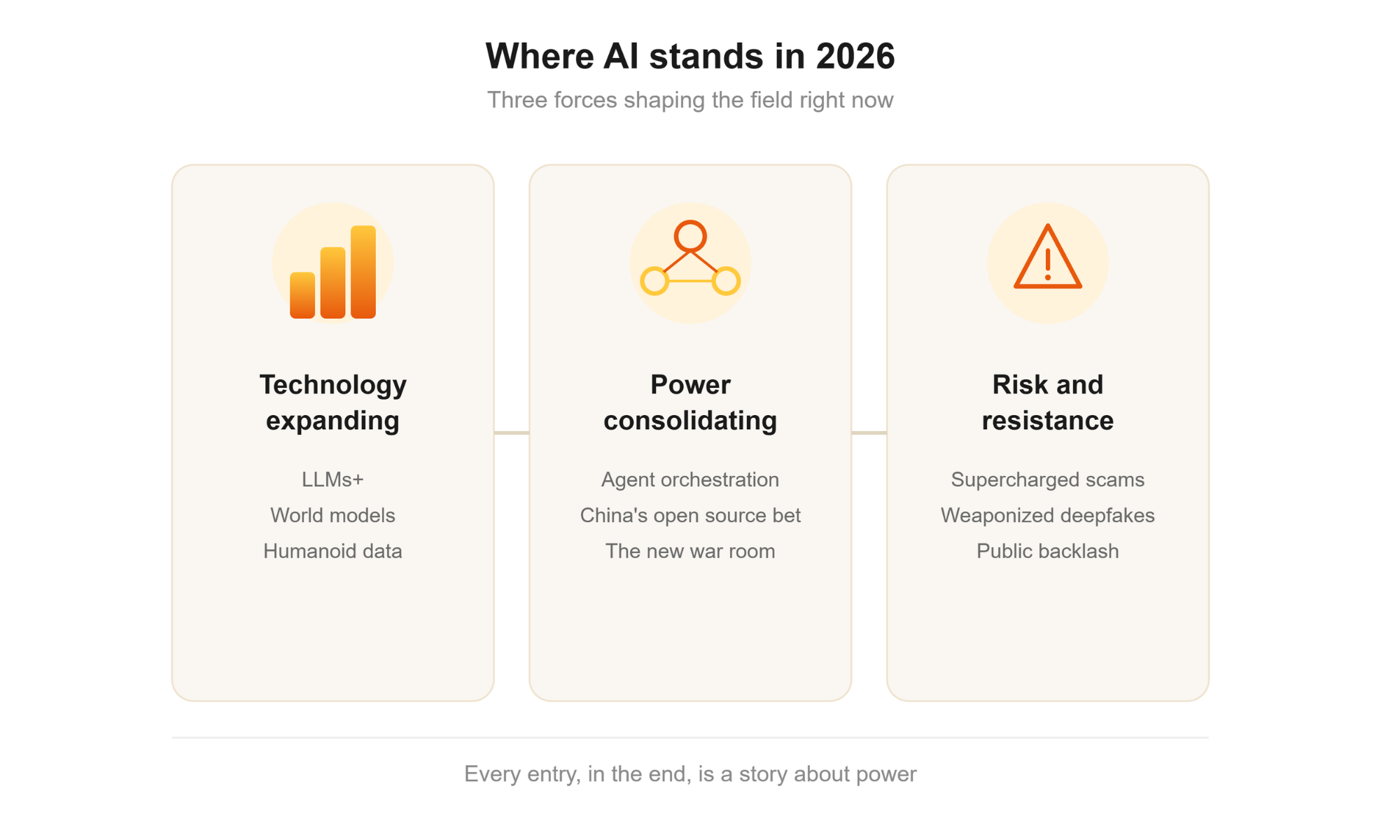
10 things that matter in AI right now: MIT Technology Review's 2026 list
MIT Technology Review just published its first-ever list of the ideas actually shaping AI in 2026, not hype, not forecasts, but what's live right now. DataTribes breaks down all 10 entries, from humanoid robots and world models to weaponized deepfakes and the growing public backlash, and unpacks the throughline connecting them: it's all about power.
By MIT Technology Review | Source: MIT Technology Review | Posted: 7/23/2026
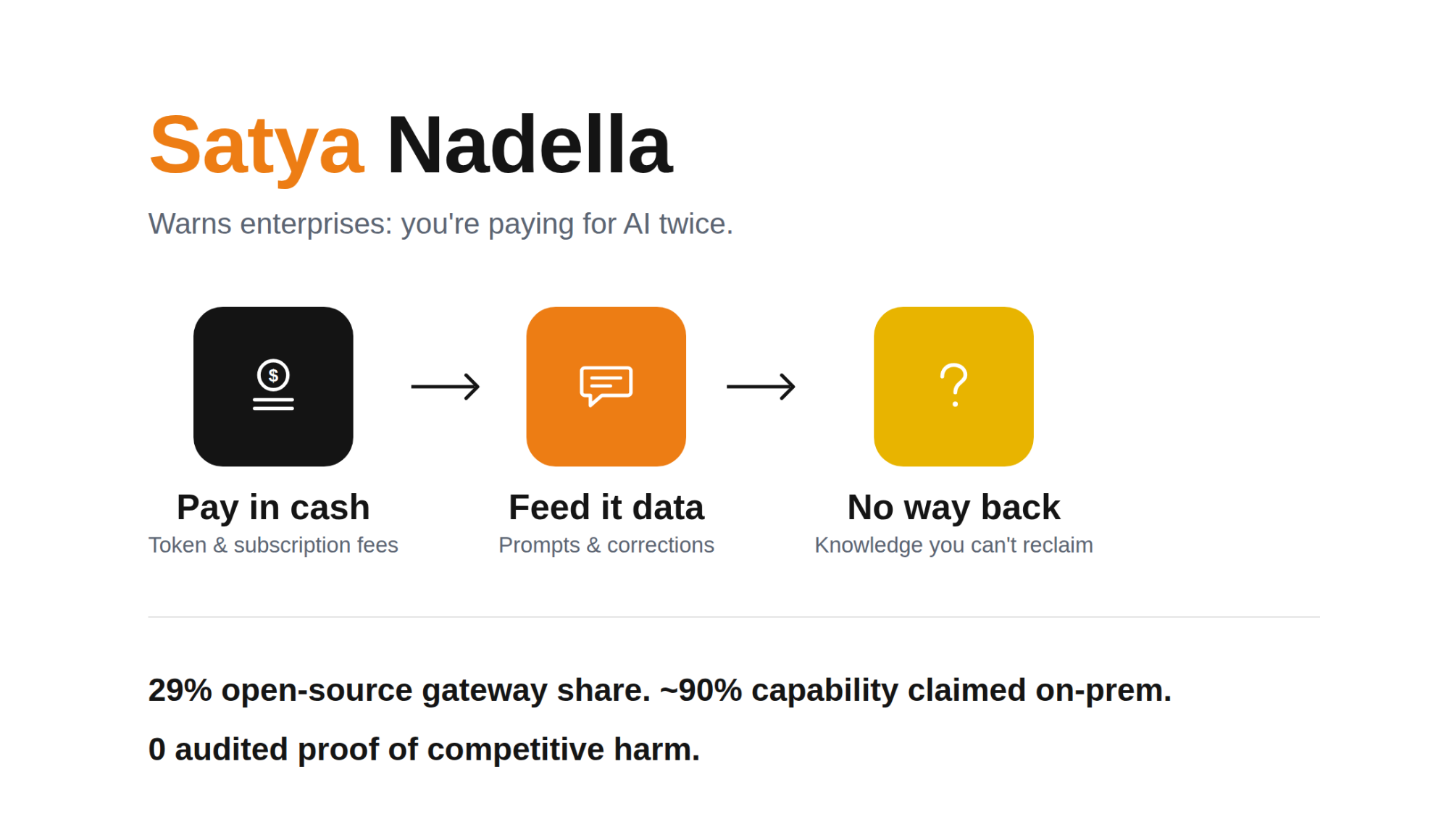
The Hidden Price of AI
Microsoft CEO Satya Nadella says AI buyers are paying twice once in token fees, and again by handing over the prompts, corrections, and workflow knowledge that make a model useful. It's a compelling warning about a real mechanism, but it also happens to point enterprises straight toward Microsoft's own cloud as the fix which is worth keeping in mind before taking the advice at face value.
By Julie Bort (TechCrunch's Venture Editor) | Source: Techcrunch | Posted: 7/16/2026
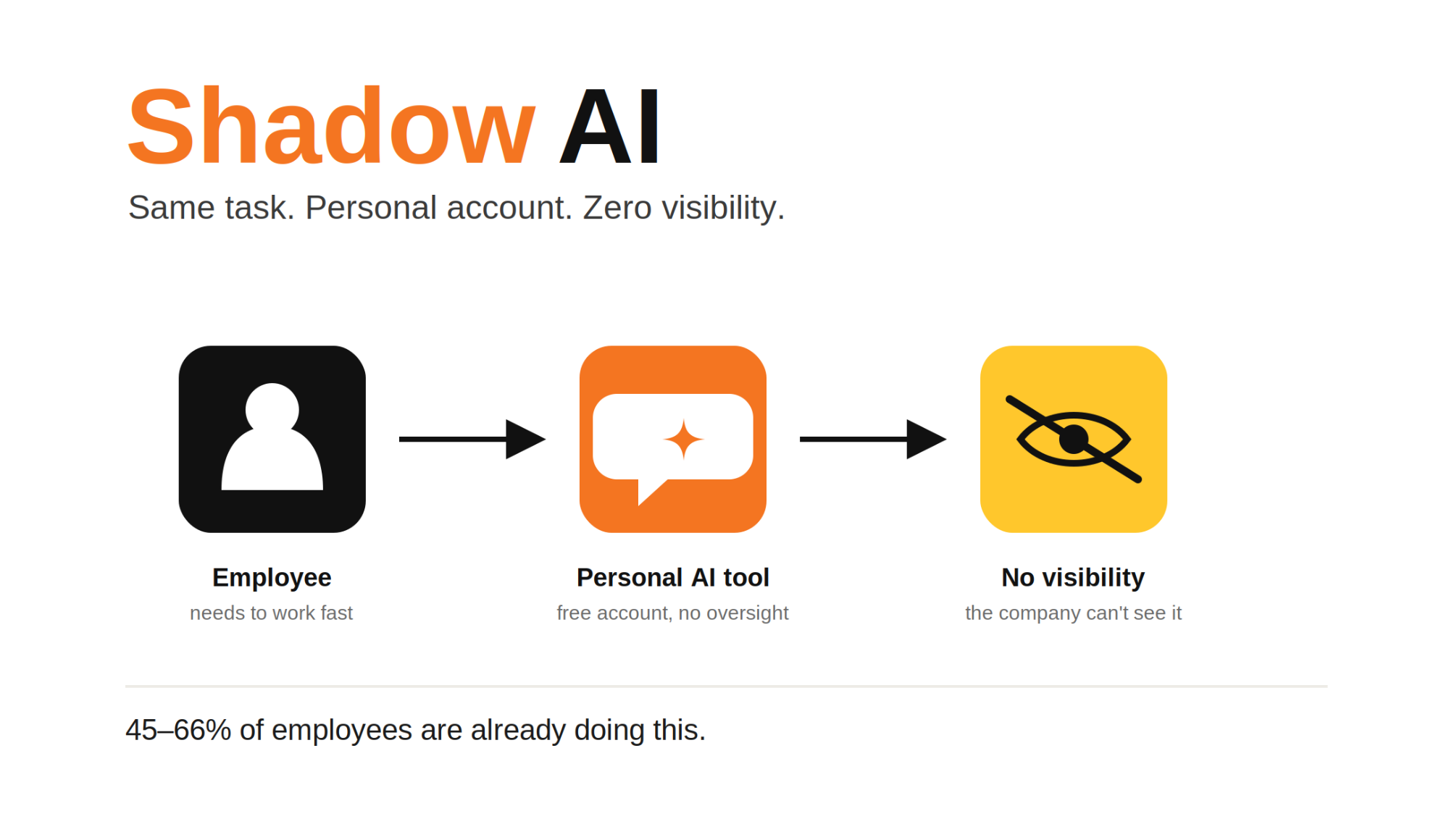
Shadow AI The Tools Your Company Can't See
Between 45% and 66% of employees are already using AI tools their company never approved, often without meaning to break any rules. They're not being reckless. They're closing a gap that policy left open, reaching for whatever tool already works because the sanctioned one is too slow, too limited, or simply doesn't exist yet. The real risk isn't that employees want to use AI. It's that leadership often doesn't know they already are, and until that changes, no policy will hold.

PwC's 2026 AI Business Predictions
A small number of companies are generating extraordinary value from AI while most see only modest gains. That gap is closing but it will not close on its own.
PwC's 2026 predictions identify six forces that will separate AI leaders from laggards in the year ahead: disciplined strategy, proven agentic workflows, a new AI-native workforce, responsible governance, smart orchestration, and sustainability as a revenue driver